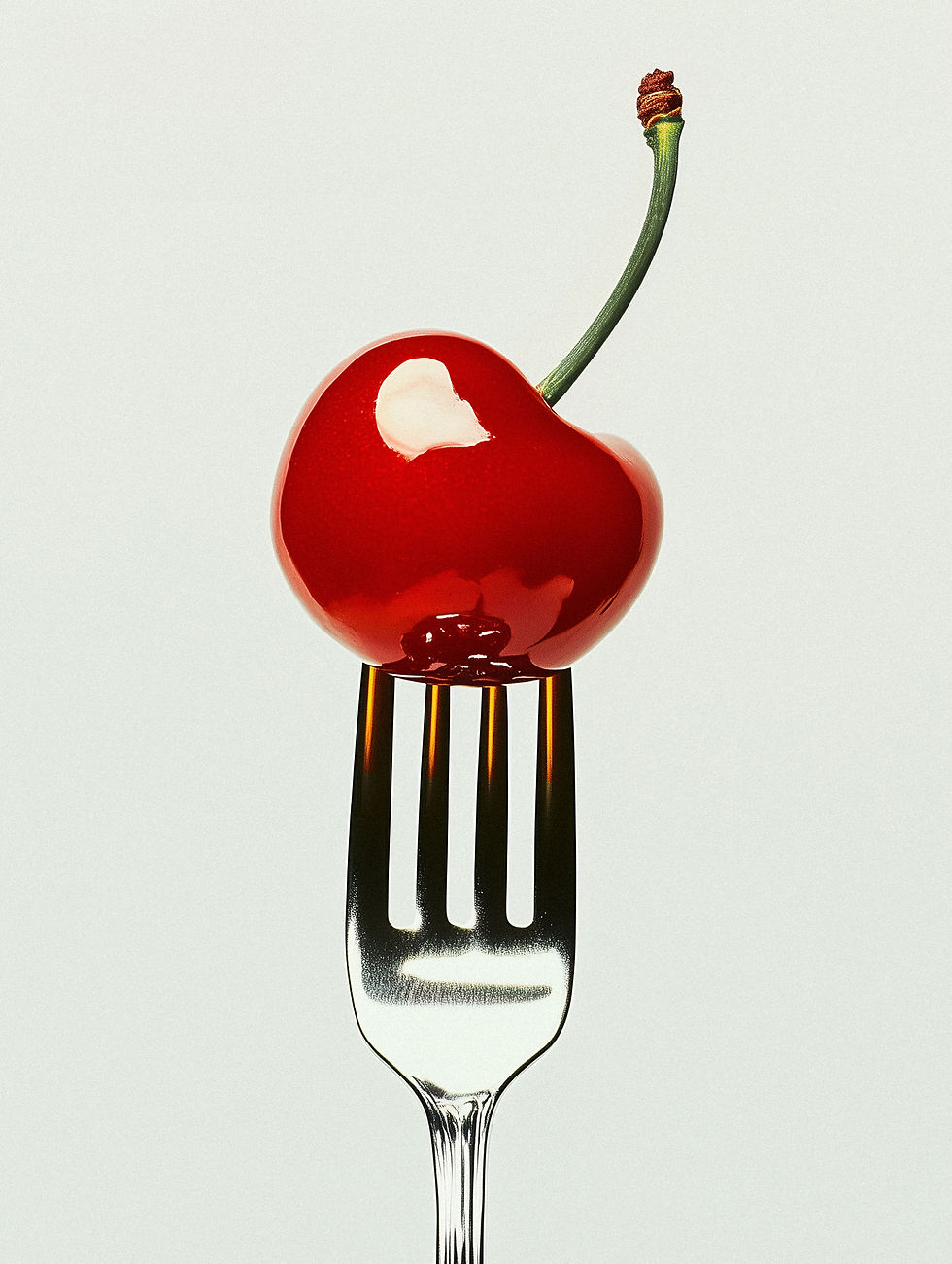
The corporation is the brand. And it’s winning.
May 18, 2025
3 min read
Updated: May 24, 2025
What happens when the brand stops being a story and starts becoming the system itself?

Once upon a time, "the brand" was a halo — an idea orbiting the business, built on reputation, narrative, and nicely kerned letters. It was an add-on. An afterthought. Something the marketing team brought to the boardroom like a proud school project.
Now? The brand has eaten the business whole.
Mission statements are written by copywriters. Values are dictated by social media sentiment. CEOs don’t lead — they perform. And company culture? That’s whatever looks good in the behind-the-scenes of your TikTok office tour.
We used to market through branding. Now we manage through it.
Branding is no longer veneer. It’s governance. It’s control. It’s the interface layer between bureaucracy and belief — a UX system for corporate identity. The brand is the product. The brand is the behaviour. The brand is the business.
And the terrifying part? It works.
Because a well-designed brand doesn’t just sell you something — it teaches you how to behave inside it. It tells you what to want, how to feel, who to trust. It flattens complexity. It packages morality. It removes friction between desire and decision. All while smiling with human-centered typography and inclusive stock photography.
Your favorite company is no longer a business with a brand. It is a brand with a backend.
And what happens when those backend systems start glitching? When the values don’t match the behavior? Nothing — because as long as the brand is intact, the illusion holds.
This is not just marketing creep. This is Brand Supremacy — the quiet takeover of business logic by narrative aesthetics.
Where Systems Thinking Comes In
As org charts flatten and decision rights blur, branding has become the soft interface of corporate governance. It dictates behavior not through policy, but through aesthetic alignment. It’s not just what the company looks like — it’s how it behaves, how it decides, and how it scales.
In other words, your brand is not the campaign. It’s the operating system.

Cultural Trust by Design
Anthropologists know that in low-trust environments, people look for signals: symbols, behaviours, language patterns that indicate belonging.
Branding has become the modern signal system — replacing formal structures with emotional cues. It turns internal behaviours into cultural rituals.
When culture is fragmented, brand coherence offers a shortcut to clarity.
We no longer trust institutions.
We trust symbols.
The rise of brand-led businesses mirrors a deeper cultural shift: trust in institutions is collapsing, and brand fills the vacuum.
We don’t believe in banks — but we might believe in Monzo.
We don’t trust governments — but we’ll trust Patagonia with our politics.
We don’t follow leaders — we follow aesthetics we can mirror.
Liquid Death built an entire org chart around brand personas — marketing isn’t a department, it is the model.
Apple’s design-first org structure puts creative at the top of every decision.
Tesla runs on memes, not policy. Elon is the brand operating system
Is Your Brand Running the Business?
At Business of Brands, we don’t believe brand is just narrative — we believe it’s structure.
Brand is the system that makes a company legible, desirable, and functional.
The danger isn’t that the brand is the business. The danger is when the brand becomes the only thing anyone knows how to manage.